
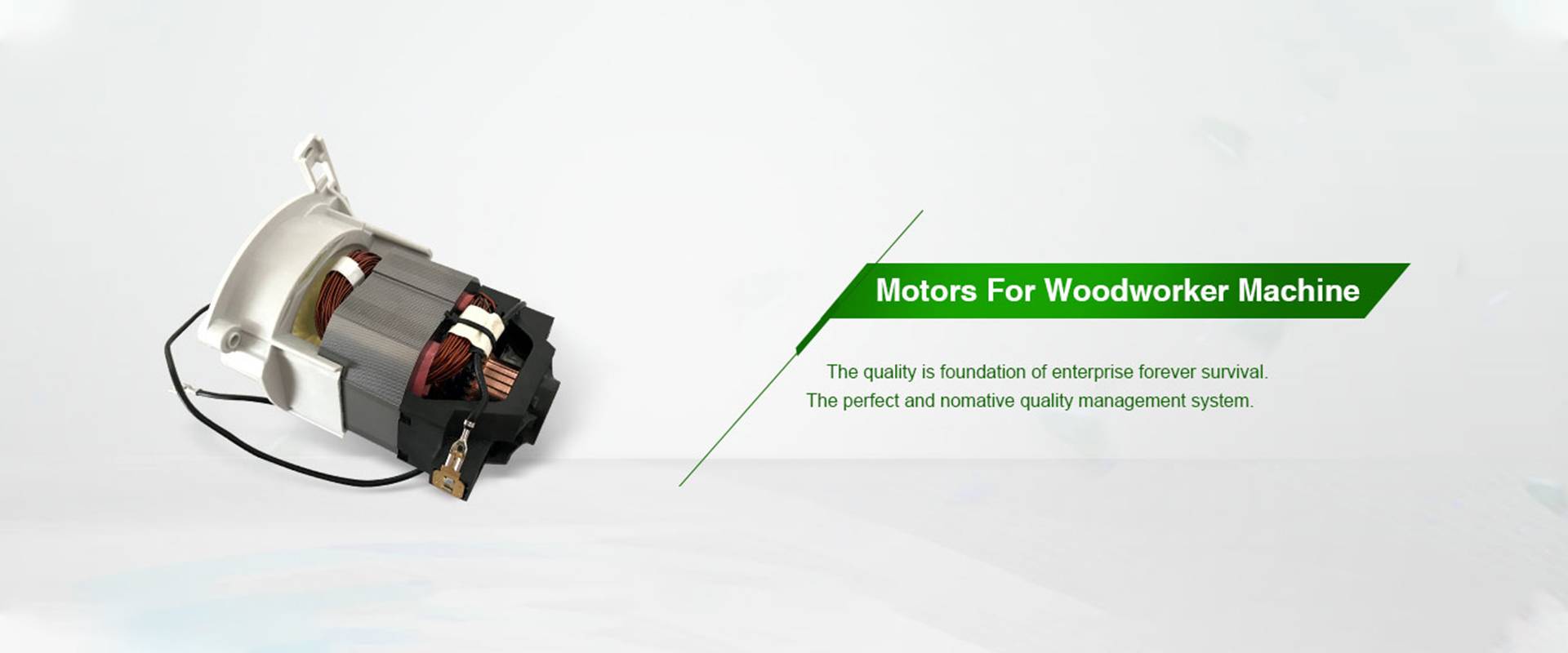
Top China Manufacturer of Magnetic Flux Motors for Advanced Technologies
As a B2B purchaser, I understand the importance of finding reliable manufacturers for specialized products. That's why I'm excited to share my insights about the Magnetic Flux Motor, a groundbreaking solution designed for efficiency and performance. Manufactured in China, these motors utilize advanced technology to optimize power output while reducing energy consumption. I've seen firsthand how Magnetic Flux Motors can significantly enhance operational effectiveness in various applications. With their compact design and robust architecture, they easily integrate into existing systems, providing manufacturers like us with a competitive edge. Plus, sourcing from a reputable China manufacturer ensures that we get high-quality products at a cost-effective price. If you're looking to elevate your projects with innovative motor solutions, I highly recommend exploring the potential of Magnetic Flux Motors. They’re not just another option but a game-changer in the market, helping businesses achieve sustainability goals without compromising on performance. Don’t miss out on this opportunity to improve your operations.


Magnetic Flux Motor Industry Giant Pioneers in the Field
In the ever-evolving landscape of electric motors, the magnetic flux motor technology stands out as a transformative force, promising enhanced efficiency and reduced energy consumption. As leaders in this sector, pioneering advancements in design and engineering not only cater to diverse industrial applications but also align with global sustainability goals. The innovations in magnetic flux motors address key concerns such as performance optimization and lower operational costs, making them an attractive option for manufacturers looking to improve their competitive edge. For global buyers, the advantages of integrating magnetic flux motors into their operations are substantial. These motors boast a compact design, improved reliability, and a longer service life compared to traditional motor solutions, which can lead to significant long-term savings. Moreover, as industries worldwide shift towards renewable energy and eco-friendly practices, the adoption of advanced motor technology is essential for meeting regulatory standards and achieving corporate sustainability objectives. Interested purchasers can explore these groundbreaking solutions to ensure they remain at the forefront of industrial innovation while minimizing their environmental footprint. As the market for magnetic flux motors expands, staying informed about the latest technological advancements and potential applications is crucial. Engaging with industry leaders and participating in trade shows or online forums can provide valuable insights and foster connections that facilitate successful procurement strategies. Embracing this transformative technology today not only positions businesses for greater efficiency but also contributes positively to the future of sustainable industrial practices.
Magnetic Flux Motor Industry Overview
| Dimension | Details |
|---|---|
| Market Size (2023) | $2.5 Billion |
| Growth Rate (CAGR 2024-2029) | 8.5% |
| Key Applications | Electric Vehicles, Industrial Automation, Robotics |
| Key Technologies | Permanent Magnet Synchronous Motor, Flux Switching Motor |
| Geographical Distribution | North America, Europe, Asia Pacific |
| R&D Investment Percentage | 12% of Revenue |
| Major Challenges | Cost of Raw Materials, Supply Chain Disruptions |
| Future Trends | Integration with IoT, Enhanced Energy Efficiency |
Related Products



Magnetic Flux Motor Industry Giant From Concept to Delivery
Top Selling Products


- Related Blog
- Reviews
